Buyers' Feedback

Debudding 
Debudding  is the method by which you can increase the size of any flower. When there are more than 1 bud on a branch of flowering plant note that the size of flower remains small or tiny. This is because the nutrition that branch gets from soil gets distributed among all buds. Also there is a limit up to which a branch can holds up the weight of flowers therefore naturally it bears small flowers else branch with excessive big flowers may break down due to weight of such excessive flowers.
  More the buds smaller will be size of flowers. To get big size flowers try to have lesser number of buds on single branch .
 And for that keep and I say only 1 bud on 1 branch example in Roses plant. Leave topmost bud intact and pluck all other buds on 1 single branch of plant. Now his single bud will get whole nutrition from soil and weight of big size bud flower will also be carried on by branch easily. With time you will get really big bud and huge size flowers on single branch.
Soil Additives 
Water Retention Additives
.jpg?timestamp=1692378649990)
.jpg?timestamp=1692378741828)
Leca Balls : 1-4 mm : 200 gram
.jpeg?timestamp=1692380138743)
 Leca Clay Balls : 4-16 mm : 250 gram
 Glimpse of Home Terrace Garden




 Accessory Packs
.jpeg?timestamp=1676543974215)

.jpeg?timestamp=1676551820517)
.jpeg?timestamp=1676551902000)


.jpeg?timestamp=1676552081827)

.jpeg?timestamp=1676552214650)
.jpeg?timestamp=1676552355645)
.jpeg?timestamp=1676552469897)
.jpeg?timestamp=1676552556679)

 Sapling Care & Potting Tips
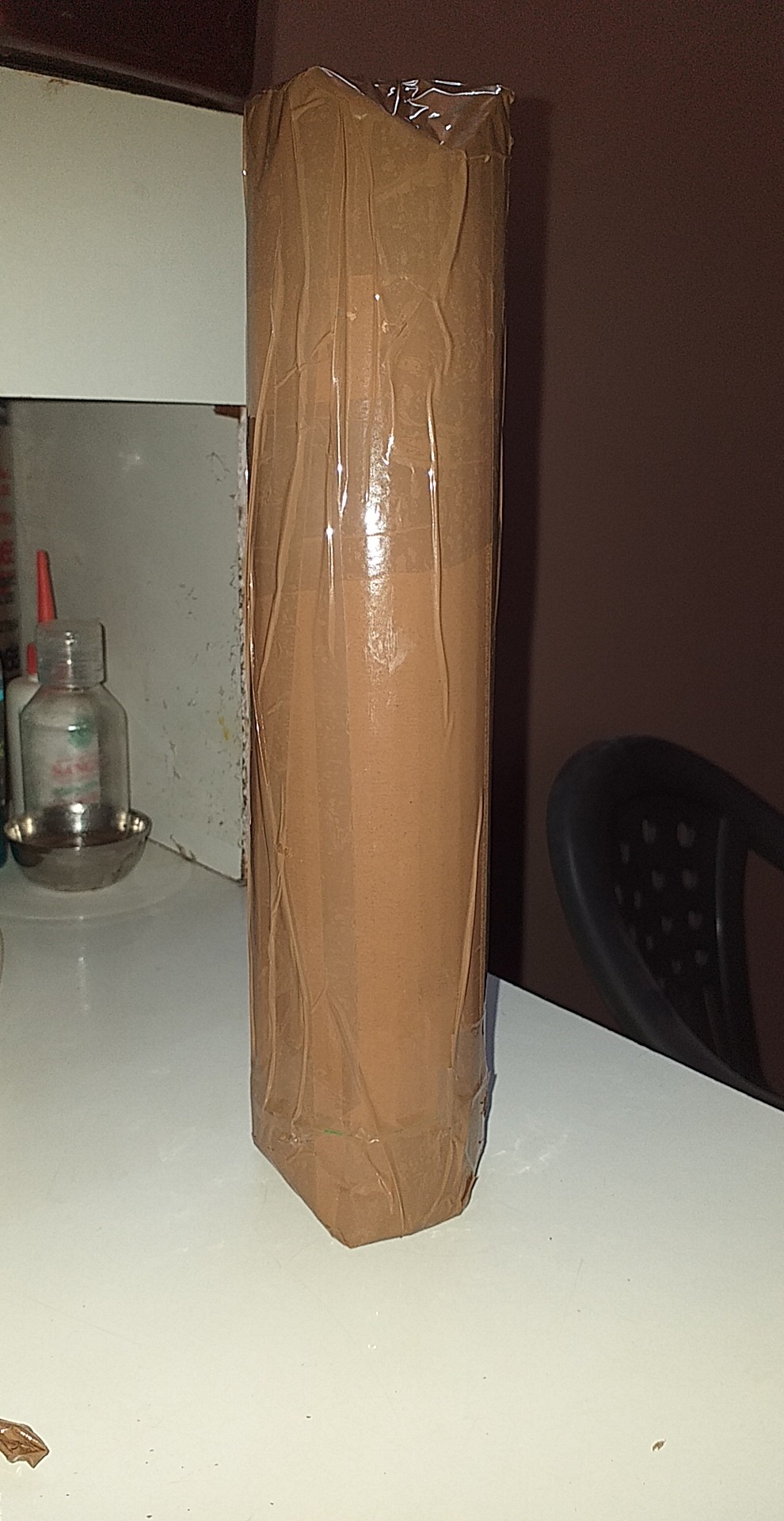
On getting pack, open it , gently with care cut open the pouch
Multi Layer packing is done.
* Take sapling gently out of pouch holding it by soil lob ( avoid holding plant by branch/stem ).
1 ) Don’t remove soil of lob. May put plant soil lob in little water,
for 2–3 minutes (small bowl of water 1/4th filled)..... its your choice for doing it
2) Sow with soil lob. ( better to sow first in a pot / container ). Give a stick support to sapling.
3) Put in half sun, half shade till they start growing good.
4) Some leaves on transplant may fall that is normal, So don’t worry for that.
5) Pots where these saplings to sow must have good drainage and no water clogging should happen.
6) Maintain moisture but avoid excess watering.
7) If its raining then giving it / putting in indirect rain is good, avoid direct rains pouring over sapling sowed.
Potted & Cup Saplings : Packings 


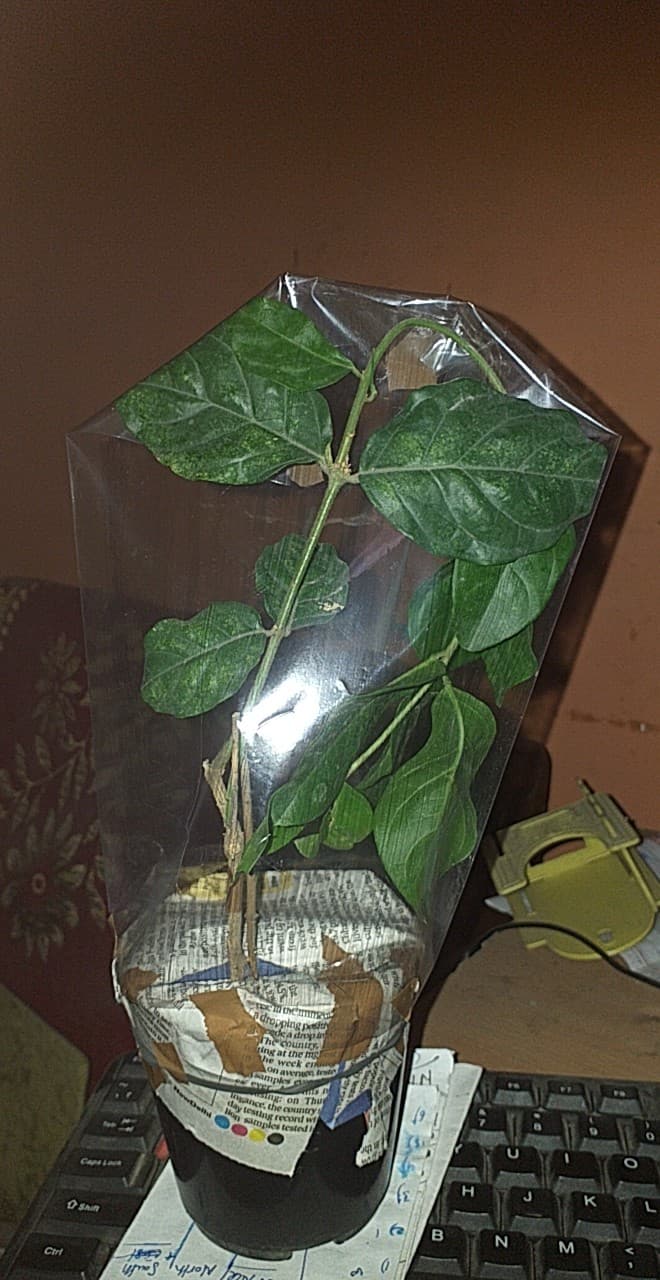



GRow MediuMs
.jpeg?timestamp=1676555909468)
.jpeg?timestamp=1676555939928)
.jpeg?timestamp=1676556037371)
Coco Peat : 350 gram
.jpg?timestamp=1676556539400)
.jpg?timestamp=1692780812022)
.jpg?timestamp=1676556569242)
Soil Mix : 450 gram
.jpeg?timestamp=1718185258948)
 Cinder : 250 gram
 Nourishment to Plants

Green plants are all that we all love and desire in our garden / home. Some points are there that should be taken care of to get healthy green plants, Plant nourishment is one such most important point To give nourishment to plants adequate manuring and fertilizing to plants is required. I say there are broadly 2 types of fertilizers / manure that are mostly used for plant growth and nourishment i.e Organic fertilizers and Synthetic Fertilizers.
1) Cow Dung - One of these 2 types of fertilizer that is most common is cow dung manure. In house plants or gardens cow dung manure is prime source of fertilizer. Cow dung manure contains nearly all required nutrients for plants, It is organic thus can be surely used for chemical free fruit and vegetable production at home in kitchen garden, Due to its organic and natural aspect it is also safe to use for plants at home. Cow dung manuring should be done in winter spring season or before monsoon, that is at least 3 times in a year, Summer Season should be avoided for cow dung manuring as the cow dung after effect to plants is said to be very warm and unsuitable for plants in heat of summer.
The cow dung being used for manuring in garden or potted plants must essentially be completely dried up and without any smell in it, On drying of fresh cow dung, it becomes powdery on exerting little pressure. It must also be any worm / pest free and 100% clean is this aspect. As per size of plant container cow dung to be mixed in soil mix for plant should be at least 15-20 percent of total plant soil mix
2) Synthetic Fertilizer - Second sort of fertilizing plants is specifically for giving special/ specific nutrients to plants. Such specialized fertilizers are mostly used for enhancing production of fruits, vegetables or flowers into plants. Such specific fertilizers are mostly in synthetic form i.e unorganic or chemical fertilizers. Common of these unorganic fertilizers are like NPK, DAP, Zinc mix and many more.
(a) DAP is mostly used to increase flowers in a plant and happens to be in granular form It should be applied about 4-5 inch away from base of plant stem and to be put only just above soil.
(b) NPK : means nitrogen, phosphorous, potassium It is used for healthy and quick plant growth. It is also helpful in retaining flowers in fruit & vegetable plants due to phosphorus presence Nitrogen ( N ) – nitrogen helps in / for the growth of leaves on the plant. ... Potassium (K) – Potassium helps in the overall functions of the plant, performing correctly. Such chemical fertilizers are needed to be used in judicious manner else can cause damage to plants even if used in excess. 3) Bone Meal - Another fertilizer that can be used in garden or potted plants is Bone Meal. It is crushed bones of animals, powdered for use as fertilizer. It is mixed in soil for providing calcium to plants. Egg shells can also be used as alternative to bone meal .
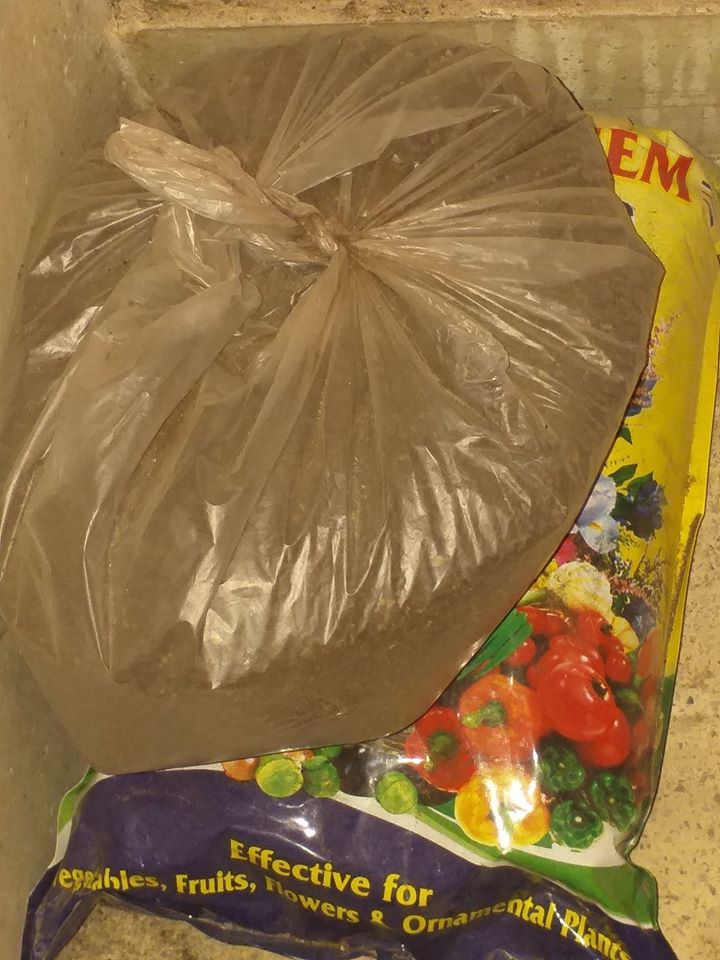
4) Neem Khal - An Important fertilizer cum pest control agent is Neem Khal, Neem khal is residue left of neem, that is left after extracting neem oil from neem wood and leaves, It is dried up and then powdered to be used as pot mix fertilizer, Since it is neem oil residue so act as pest repellant and controller within soil apart from giving nutrients to plants.
5) Compost - One of Biggest nutrient to plants in garden or pots is Compost. Compost can be made at home too easily be decomposing the Kitchen Waste either in a pit made in earth in garden or decomposing can me done in earthen
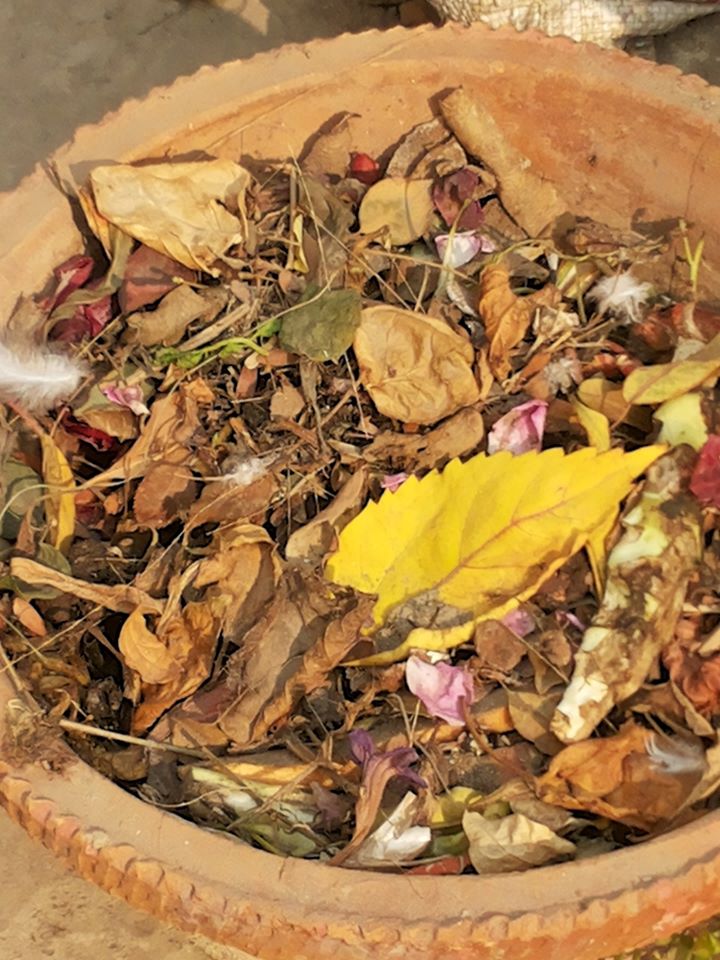
pot at home too. Put kitchen organic waste like fruit veggie peals garden waste like shed leaves, dry branches etc into a earth pit or earthen pot put layer of soil on it and sprinkle water. In 2 months such organic material decomposes and compost get made which can be used in any of plants. It is particularly beneficially for growing fruit & veggies in pots and garden
Some more sort of fertilizers are available too, which should be / can be used as needed but with required care or as per instructions from expert
Compost Pot 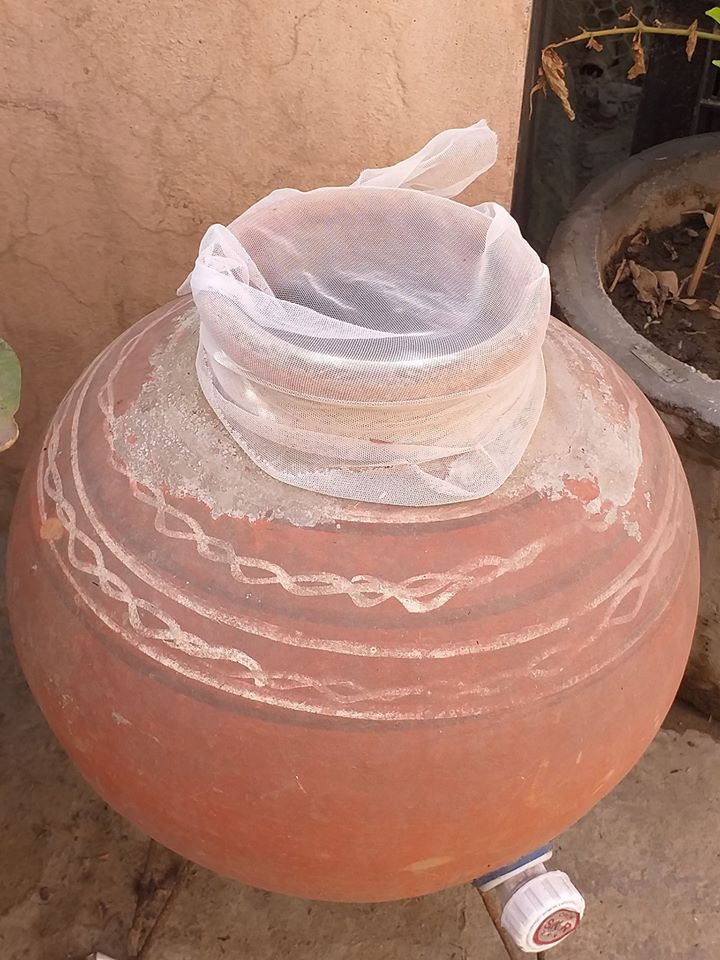
Gardening Tools
Note Example of Tools
Helpful in
Gardening At Home



Seeds of Trees
 Mahogany
.jpeg?timestamp=1718201750764)
Anar
.jpeg?timestamp=1718201782935)
Lagerstomeia Pink
.jpeg?timestamp=1718201835736)
Areca Palm
Points  to Sow Cuttings
-
Put cutting dip in half glass of water vertically like straw in juice for 6-8 hours or 1 night, then sow in morning.
-
Cuttings will absorb water and will get refreshed
-
If available apply honey or cinamum (dalchini) powder or aloe veera pulp / juice on that side of cuttings, which to sow / put into soil (cinamum powder is also fungicide)
-
Soil needed is normal garden soil. If possible mix cowdung manure or compost with soil, else only soil can also be used to sow cuttings.
-
Water adequate as per climatic condition and temperature prevailing not in excess.
-
Put in half Sun and hap shade till leaves sprout.
-
Better to sow first in small pot then transplant with roots in big pot or ground / earth on getting at least 8 inches long plant.
-
Put 1-2 nodes of cuttings into soil as roots emerge from the nodes.
-
Don’t disturb shake or take out cuttings out of soil on once sowed into soil.
-
Sprouting of cuttings may take some time to sprout.
Rain to Plants
 Rain is the purest form of water. It does not contain any sort of dust or chemicals therefore proves to be boon for the plants and trees both in pots and ground.
The chemical free water when reaches the roots of plants in ample quantity , nourishes the plant total and there happens to be no short of water for the greens. The adequate and not excess supply of water to plants result in the growing of green lushness on tree and plants
New seeds or cuttings if are planted / sowed in rainy season they germinate and grow faster then rest of year duration. Hence rains help increase the greens faster.
Purest form of water when falls on leaves of plants and trees, just wash them thoroughly and remove all dust from over them. This help plants do photosynthesis in more effective manner resulting in more food for itself and more health for it.
No chlorine stains or other chemical marks remain on plant leaves as we can find such marks when washing is done by chlorinated tap water which in long run may damage the leaves.

 for Surfing Site
Making New....


Rose Old Plant Care 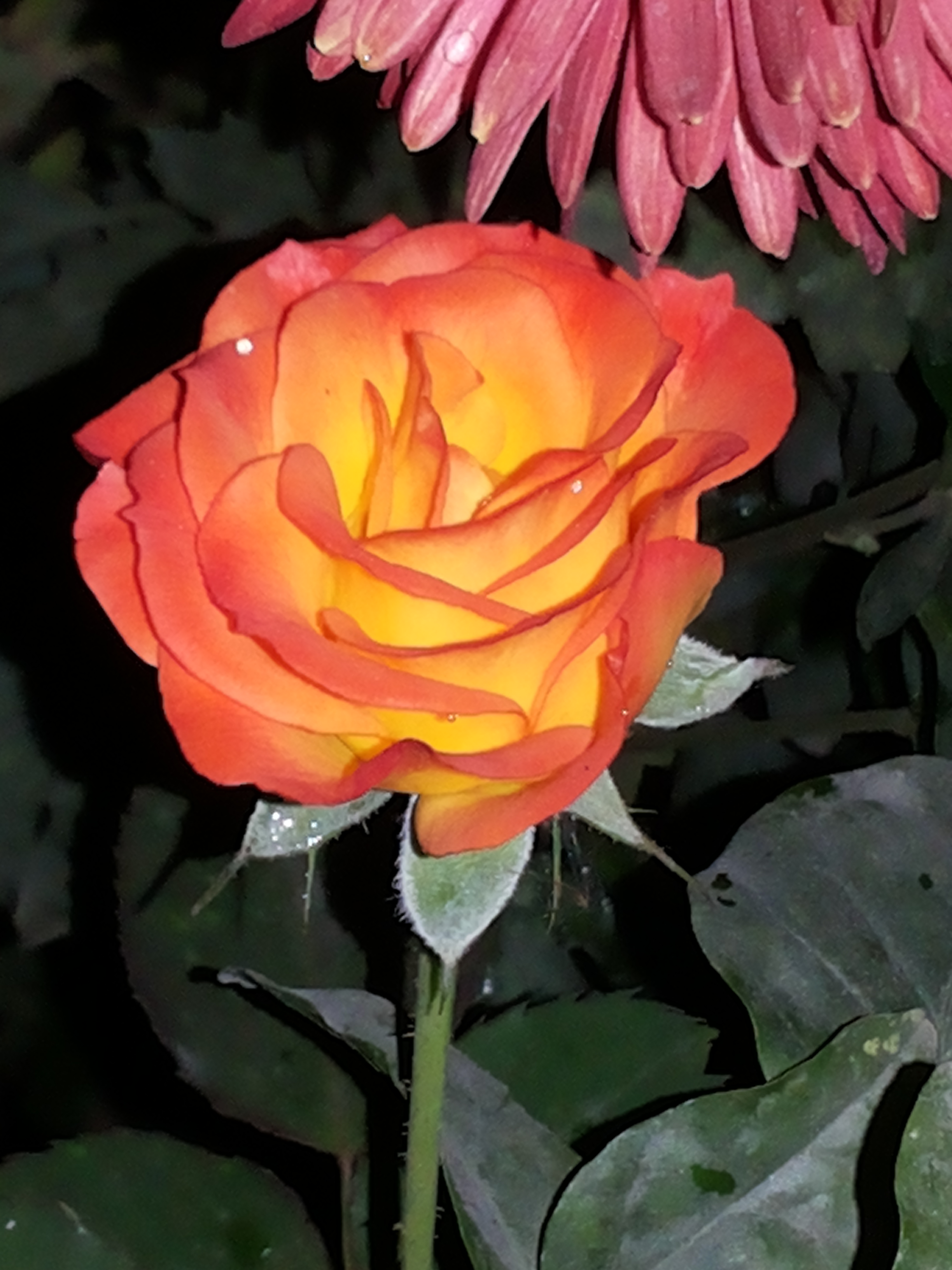
1. For desi / Indian roses in color red, pink & white which are also called button gulab / rose, prune the branches to half of their present size. Thick branches will work as new cuttings for new plants
2. For grafted rose plants cut / prune branches which are growing from blob of graft only. Any other branch growing from soil in grafted rose or from below graft blob must be cut / uprooted totally, as it happens to be wild / rot rose.
3. Loosen the soil of rose plants in ground by trowel upto 6 inches deep, helping new roots to grow.
4 Potted roses can be taken out completely from pot. Open drainage hole of pot and trim roots of old rose plant by 1/3rd of its present growth. Loosen the soil a bit around plant by hands and repot.
5. Add cow dung manure and ruse fertilizer 4-5 teaspoon to repotted plants In 10 days more you can see new leaves and rose buds on old plants

Whatsapp Plants Catalogue
press :-> 
Red Soil : 1 kg
.jpeg?timestamp=1741971991975)
.jpeg?timestamp=1741972037065)
Buyers' FeedBack